
 Cart is empty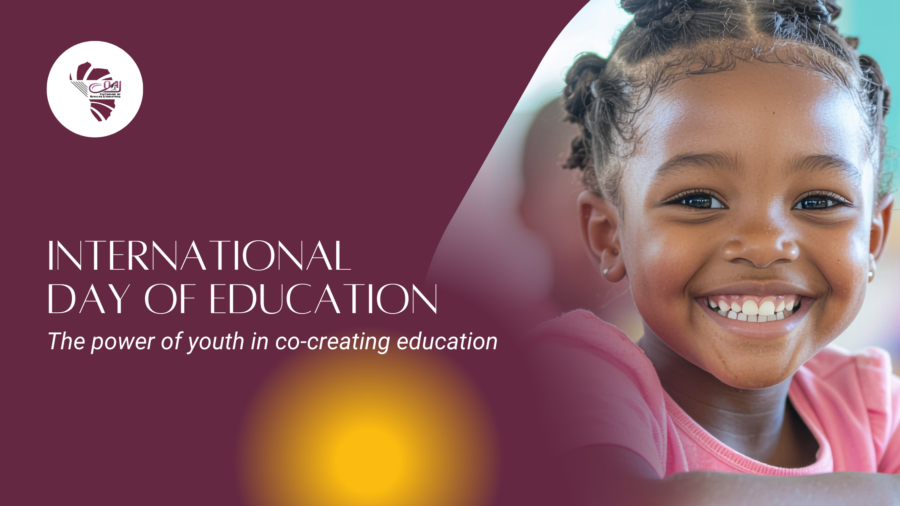
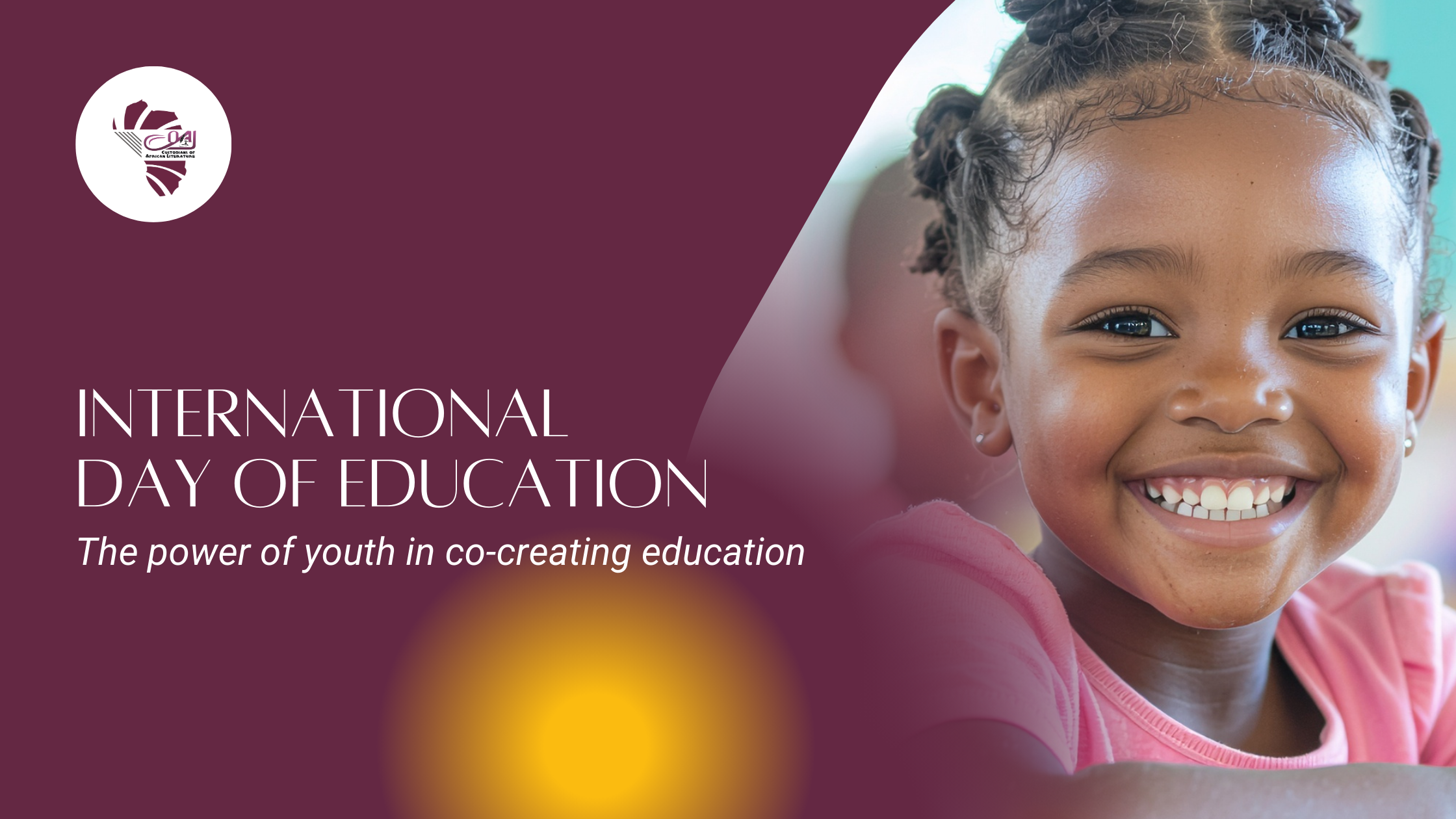
Every year on 24 January, the world marks the International Day of Education, a global call to recognise education as a fundamental human right and a prerequisite for peace and sustainable development. The day was proclaimed by the United Nations General Assembly to mobilise action toward inclusive and equitable quality education for all, and to remind governments, communities, and partners that education is not optional, but essential. You can read the official UN background to the day here.
In 2026, the urgency of this call is especially clear. Education systems around the world continue to grapple with disruptions and persistent inequalities, and the learning crisis remains most severe in regions where poverty, insecurity, and limited public resources intersect. UNESCO’s Global Education Monitoring (GEM) Report 2024 warns that 251 million children and youth remain out of school, with progress having stagnated over nearly a decade.
This year’s observance also centres the power of young people in co-creating education. UNESCO’s global event for International Day of Education 2026 highlights youth as key agents in shaping education systems, reinforcing the message that learners must not only be included, but have meaningful influence in education transformation. The GEM Report 2026, titled “Lead with youth,” echoes this point, noting a troubling disconnect: while consultation mechanisms with young people exist in many places, they often do not translate into real influence over education decisions.
In Nigeria, the stakes are stark. Widely cited national estimates suggest that around 20 million children are out of school, and even among those enrolled, foundational learning outcomes remain alarmingly low. UNICEF has raised particular concern about foundational literacy and numeracy, reporting that 75% of children aged 7–14 in Nigeria cannot read a simple sentence or solve a basic maths problem, a crisis that threatens children’s futures and national development.
But days like the International Day of Education are not only about naming the challenge. They are also about uplifting what is working, scaling what is effective, and recognising the people quietly building solutions where the system is stretched thin. Across communities, education is being protected, repaired, and accelerated by grassroots educators, teachers, mentors, community organisers, and local organisations who make learning possible for children who would otherwise be left behind.
COAL’s role: accelerating education where it matters most
Our belief is simple: education acceleration is most powerful when it is rooted in community leadership. That belief is central to the Grassroots Accelerated Education Fund (GAEF), COAL’s commitment to supporting community-based organisations and educators working to improve learning outcomes for underserved children and young people. Through GAEF, we invest in approaches that strengthen foundational learning particularly literacy and numeracy while reinforcing pathways back into structured learning for children who have been excluded or are at risk of falling behind. Our approach centres local ownership, contextual learning methods, and community credibility, because sustainable improvement rarely comes from “imported” solutions.
As GAEF partners implement in communities impacted by conflict, violence, and poverty, a consistent lesson emerges: learning is not only a classroom issue, it is a household and community issue too. Barriers such as inconsistent attendance, poverty pressures, and limited parental engagement can determine whether a child persists in learning or drops out altogether. Supporting education acceleration therefore requires strategies that bring families into the learning story, restore motivation, and make education feel meaningful and possible, especially for children navigating hardship.
What COAL is doing to mark International Day of Education 2026
To commemorate the International Day of Education 2026, we are using the moment to spotlight grassroots learning and strengthen parent-and-child connection to education through a youth-led creative engagement delivered with grassroots partners: CreoTribe, Claire Aid Foundation and Uplifting our Children Through Support. The focus is to celebrate education, amplify community voice, and reinforce why learning matters especially for children and advocate for active youth and parental engagement in education.
This commemoration is anchored in COAL’s ongoing GAEF mission: accelerate learning at the grassroots by resourcing local educators and community-based organisations, and by elevating the everyday work that keeps children learning in difficult conditions. International Day of Education becomes, in this sense, both a celebration and a reaffirmation of our commitment to supporting what works, listening to communities, and ensuring grassroots educators are visible in the broader education conversation.
Celebrating the grassroots educators building Nigeria’s learning future
International Day of Education is also a day to celebrate the people who rarely receive headlines but continuously reshape outcomes: grassroots educators.
It is impossible to talk about accelerating education at the grassroots in Plateau state Nigeria without recognising educators like Kangyang Gana of the Claire Aid Foundation (CAF). Claire Aid Foundation represents the kind of local leadership that sees a learning gap, mobilises community support, and builds responses that meet children where they are. Learn more about Claire Aid Foundation’s work below.
We also celebrate Dr. Roslyn Yilpet of Uplifting Our Children Through Support (UoC), whose work reflects an ecosystem approach to education, supporting children’s learning while strengthening the surrounding structures that make learning sustainable. UoC’s initiatives include literacy support and teacher-facing resources that help improve learning environments and outcomes.
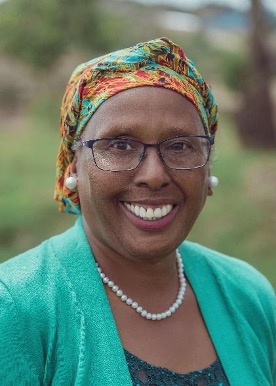
These educators and many others like them embody what education acceleration truly means: not rushing children through content, but removing the obstacles that keep them from learning, and building environments where children can develop confidence, capability, and hope.
A shared commitment for 2026 and beyond
International Day of Education 2026 is a reminder that progress is possible, but it must be pursued intentionally. It requires investment in grassroots leadership, respect for community knowledge, and a commitment to learning models that reach children who are most excluded.
Today, we celebrate education by celebrating the people sustaining it on the ground, grassroots educators, community partners, families, and learners themselves. Through GAEF and our broader grassroots education work, we are working to ensure that education is not only a promise written in policy, but a lived reality for millions of deserving learners.
Happy International Day of Education 2026.